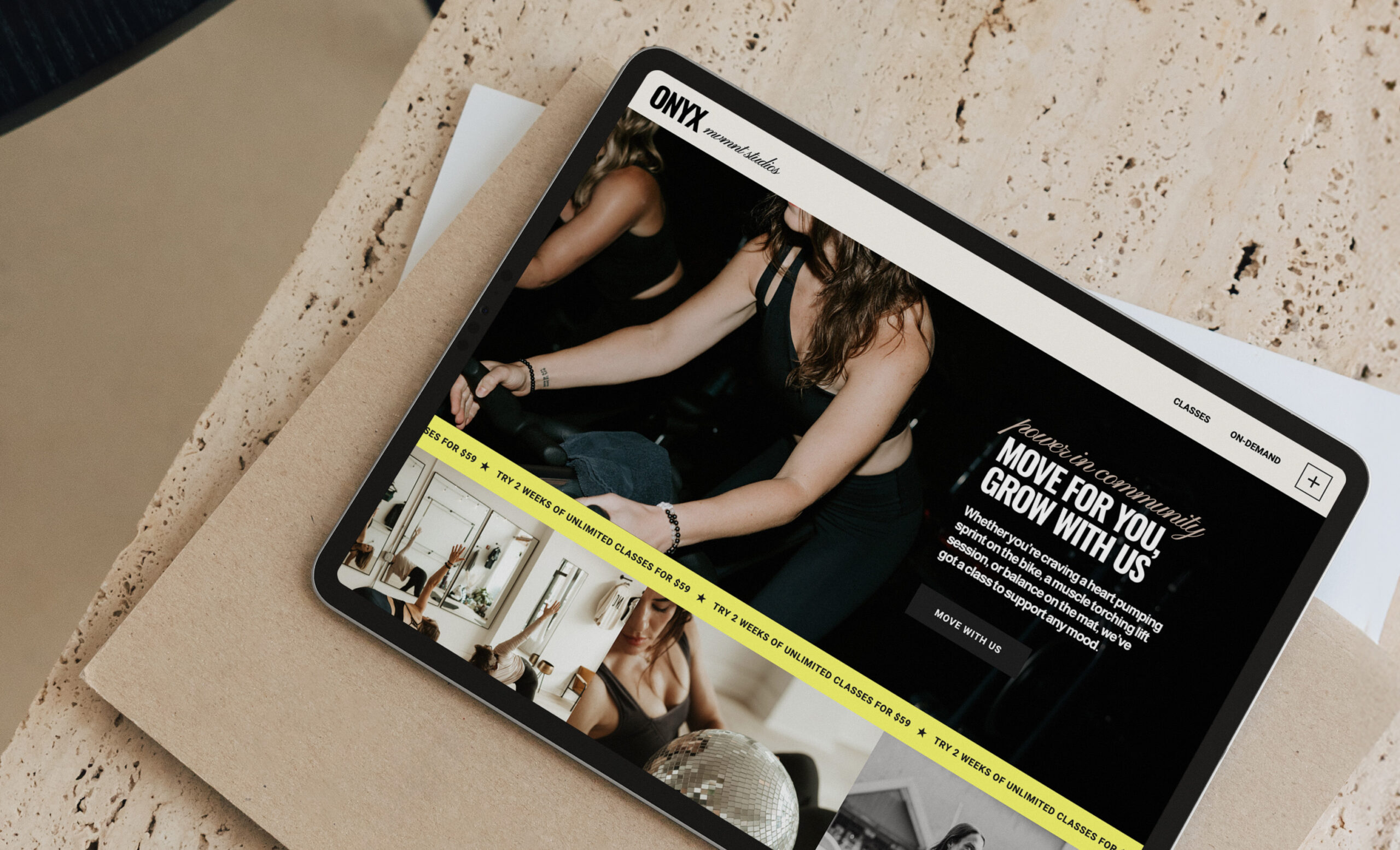
Writing web copy is often the biggest roadblock when creating a website. Unless writing is part of your daily job, putting your thoughts into compelling website content can feel overwhelming. But here’s the good news: you don’t need to be a professional copywriter to create copy that resonates with your audience and drives results.
Start with Structure: The Power of Outlining
The most important step in writing web copy is simply beginning. Before you dive into crafting sentences, create an outline for each section of your website (all my web templates are already designed with a fitness-specific strategy so you can just follow that when creating your outline!). This breaks down the intimidating task of “writing a whole website” into manageable chunks.
Having a clear structure in place makes the writing process less daunting and helps ensure you cover all the essential points your visitors need to know. Once you have your outline, give yourself permission to write imperfectly at first. Get all your thoughts out, then refine later.
Leverage Your Brand Foundation
If you’ve already established your brand foundation, you’re ahead of the game. Your web copy should directly translate your core values, brand vision, and target audience insights into website content.
Since you already understand your audience’s pain points, you can speak directly to their emotions and experiences. This is where effective web copy lives—not in talking about yourself, but in making your content about your visitors and what they need.
Focus on Benefits Over Features
When describing your services or offerings, shift your focus from what you deliver to what your audience gains. Instead of only listing features or deliverables, highlight the transformation and benefits your clients will experience.
Your potential clients don’t just want to know what you do — they want to understand how working with you will improve their lives or solve their problems.
Find Your Brand Voice
Your brand voice should align with how your audience wants to be communicated with. If you’re already working with clients in person, you likely have this figured out intuitively.
Consider whether your audience responds better to tough love motivation or gentle, reassuring guidance. The way you naturally communicate with clients in your day-to-day work should carry through to your website copy.
Keep It Concise and Scannable
Web copy follows different rules than academic writing. Your goal is to make information easy to digest, not to write lengthy paragraphs.
Key formatting principles:
- Keep paragraphs to 1-2 sentences
- Break up large blocks of text
- Use white space generously
- Make content scannable at a glance
Remember, you have unlimited vertical space on a website, so spread your content out to make it more approachable and less overwhelming.
Real-World Examples: Copy That Connects
Consider this example from a nutritionist working with professional athletes:

This copy works because it:
- Acknowledges the high stakes of their profession
- Recognizes their current efforts
- Identifies the gap they’re feeling
- Positions the service as a competitive advantage
Another powerful approach addresses common objections upfront:

This immediately differentiates the brand by calling out what they don’t do—things that often frustrate their target audience.
Utilize AI as Your Writing Assistant
If you’re struggling to get started, AI tools like ChatGPT or Claude AI can be incredibly helpful for generating initial copy ideas. The key is providing specific context to get relevant results.
How to use AI effectively for web copy:
- Upload your business outline, target audience details, or core values to give the AI context
- Be specific in your prompts (e.g., “Write a headline for a yoga studio homepage that values community and vinyasa flows”)
- Use AI to refine copy length—ask it to rewrite content within specific character limits
- Treat AI-generated content as a starting point, not a final product
For example, you might prompt: “Can you write a headline and sub-headline for a yoga studio website? The studio values community and vinyasa flows that make you feel good.”
The AI will provide several options that you can then customize to better reflect your unique brand voice and offerings. This approach helps overcome the blank page problem while ensuring the final copy is authentically yours.
Important note: While AI is excellent for brainstorming and drafting, avoid using it for testimonials or highly personal content that should come directly from real client experiences.
When to Consider Professional Help
If writing web copy becomes the bottleneck preventing you from launching your website, consider hiring a professional copywriter. Don’t let this one element hold up your entire web presence.
The investment in professional copy can pay dividends in how effectively your website converts visitors into clients. Krista Walsh and Kristen Geil are both great copywriters that I would recommend!
Your Next Steps
Creating effective web copy starts with understanding your audience deeply and translating that understanding into clear, benefit-focused content. Start with an outline, write your first draft without judgment, then refine for clarity and impact. Your website copy should sound like the best version of how you naturally communicate with your ideal clients.
Ready to tackle your web copy? Begin with one section at a time, focus on your audience’s needs, and remember—done is better than perfect.


FILED IN:
Tips
SHARE ON: